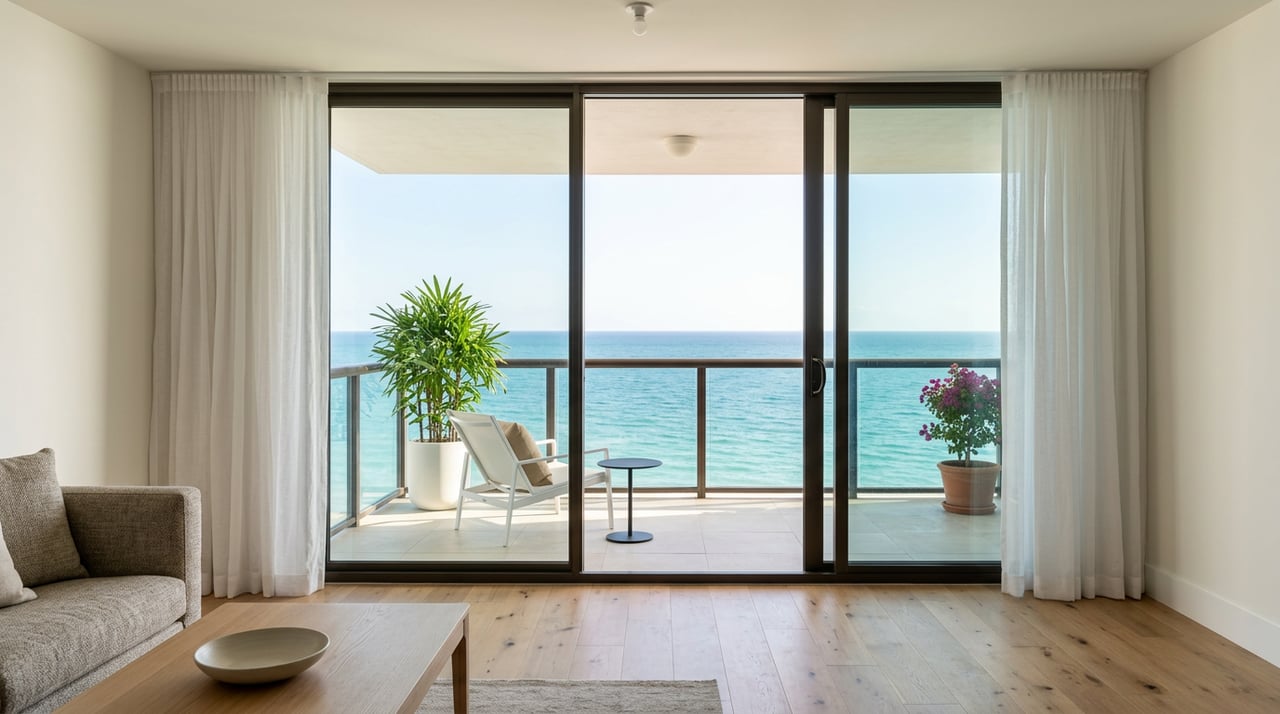
Picture your mornings on sugar-white sand, afternoons on the water, and nights under a painted Gulf sunset. If you’re considering a vacation home that can also offset costs with rental income, Anna Maria Island and Bradenton Beach deserve a close look. The catch is that each island city runs its own short-term rental rules, taxes, and inspections, so the best purchase starts with smart planning. In this guide, you’ll learn how the local regulations work, what to expect for licensing and taxes, how to estimate income, and the key risks to underwrite before you buy. Let’s dive in.
Why Anna Maria Island stands out
Anna Maria Island (AMI) spans three municipalities: the City of Anna Maria on the north end, Holmes Beach in the center, and Bradenton Beach to the south. Inventory is scarce and lifestyle appeal is high, which supports premium pricing for well-located properties. Short-term rental performance has been strong in recent years. For example, one analytics source reports Anna Maria listings achieving an average daily rate around the $500 range with annual occupancy near the high 60s to high 70s, illustrating why top-tier homes can gross meaningful revenue in peak months. You should still underwrite address by address, but these trends help frame expectations (market analytics overview).
Know the three municipalities first
Before you make an offer, confirm the property’s exact city boundary. Each of the three cities has its own application, inspections, fees, and minimum stay rules.
City of Anna Maria
The City of Anna Maria requires an annual Vacation Rental Registration. You will submit specified forms, a current Florida DBPR vacation-rental license, Florida Department of Revenue registration, a Manatee County Tourist Development Tax (TDT) account, site and floor sketches, and pass a city-scheduled inspection. New vacation rentals cannot be advertised until the application and inspection are completed. The city publishes required documents, fee schedules, and rules on its website (City of Anna Maria vacation rental rules).
Holmes Beach
Holmes Beach uses a Vacation Rental Certificate (VRC) program with inspections, a published fee schedule, and zoning-based minimum stays. Many R-1 zones require 30-day minimums while R-2, R-3, and R-4 zones permit weekly rentals. The city also enforces a 24/7 local contact requirement for complaints and publishes a detailed checklist plus an online portal (Holmes Beach VRC program).
Bradenton Beach
Bradenton Beach allows short-term rentals but requires a municipal permit or registration in addition to the state DBPR license. The city enforces occupancy, parking, and posting rules, and schedules inspections through its Building and Planning departments. Note that Bradenton Beach on the island is a different city from the mainland City of Bradenton. Contact Bradenton Beach City Hall for current fees, documentation, and timeframes (City of Bradenton Beach).
Licensing and taxes you will set up
Vacation rentals in Florida often require a state license through the Department of Business & Professional Regulation (DBPR). Municipal programs typically ask for proof of this license before they issue city-level permits or certificates. DBPR publishes the application forms and guidance for vacation rentals, including form HR-7028 (DBPR forms and guidance).
On the tax side, you will collect and remit state sales/use tax plus Manatee County’s Tourist Development Tax. The Manatee County Tax Collector outlines registration, filing, and remittance rules. The local TDT rate increased effective January 1, 2025, and platforms may not automatically collect for all jurisdictions, so owners must verify collection responsibilities and plan for ongoing filings. Budget for a combined state and county tax burden in the low-teens percentage when modeling revenue (Manatee County TDT guidance).
Here is a streamlined setup flow for a new or returning short-term rental on AMI or in Bradenton Beach:
- Confirm the exact city boundary and zoning, and what minimum stays are allowed.
- Apply for your DBPR vacation-rental license if required.
- Register with the Florida Department of Revenue and set up your Manatee County TDT account.
- Apply for the city’s rental registration or certificate and pay fees.
- Schedule and pass required inspections.
- Post required signage in the unit and designate a 24/7 local contact.
Municipal checklists and timelines are published on each city’s website. Start early so you can plan your go-live date with confidence.
Estimating income and expenses
A disciplined pro forma reduces surprises. Use real comps and be conservative.
- Identify 6 to 12 comparable rentals with similar bedroom count and beach proximity.
- Estimate seasonal ADR and occupancy, not a single flat annual average.
- Calculate gross revenue as ADR × occupancy × 365.
- Subtract platform commissions (if applicable), management fees, cleaning, utilities, insurance, maintenance, and taxes (state + TDT). If you use paid media or dynamic pricing tools, include those too.
A simple illustrative example: ADR $400 and 60% annual occupancy yields gross revenue of about $87,600. From that, subtract a full-service management fee (many owners budget around 20% in this market), platform fees, turnover costs, utilities, insurance, maintenance, and reserves for capital items. Your outcome will vary by location, seasonality, and property features, so ground your numbers in comps and current proposals (AMI performance context).
Seasonality and booking patterns
Expect classic Gulf Coast seasonality. High season typically runs December through April, with peak demand in February through April. Summer can be slower outside of holiday weeks, and hurricane season runs June through November. Price and occupancy should be modeled month by month rather than as a flat annual average. Historical ledgers from a prior owner or a local manager will give you the best forecast baseline.
Operations, management, and ongoing costs
Most owners choose professional management to protect guest experience and compliance.
- Management fees: Full-service managers commonly charge a percentage of gross revenue. In the AMI market, a 20% baseline for full service is a common reference point. Compare inclusions like owner statements, direct booking channels, maintenance markups, and linen programs (management fee examples).
- Turnovers and cleaning: Costs depend on size, amenities, and season. Many managers collect a separate cleaning fee from guests, then settle net to owners after their commission. Review the contract structure for transparency and quality standards.
- Utilities, landscaping, and waste: Owners typically pay utilities, waste collection, routine landscaping, and pool care. Some cities require printed waste and recycling instructions in the home and enforce on-street parking rules, so set guest expectations clearly (Holmes Beach VRC rules and resources).
- Insurance: Discuss homeowner/wind, flood, and short-term rental liability with a coastal specialist. Some managers require minimum liability limits and host-specific endorsements. Confirm loss of rental income coverage that matches your risk tolerance.
Flood and hurricane risk, insurance, and resilience
Nearly every address on the island lies within a FEMA flood zone, which is why flood and wind coverage are front and center for underwriting. Look up the parcel on FEMA’s Flood Map Service Center to confirm whether it falls in AE, VE, or another designation, and note base flood elevation requirements. Bradenton Beach participates in the National Flood Insurance Program’s Community Rating System, which can provide a community-wide premium discount; confirm the current class and discount with the city or your insurer (FEMA flood maps).
Key considerations as you scope coverage and risk:
- Flood insurance is separate from homeowner insurance. Lenders typically require it for properties in Special Flood Hazard Areas, and higher-value homes often need private flood policies or a combination of NFIP plus excess coverage.
- Premiums vary widely by elevation, construction, and zone. VE-zone beachfront homes can see higher pricing than elevated AE-zone properties. Elevation certificates, freeboard, and structural design directly influence premium levels (Florida flood insurance context).
- Some local ordinances require freeboard above FEMA’s base flood elevation for new builds or substantial improvements. That can increase build costs but may reduce long-term premiums and improve resilience.
Choosing your spot on AMI and Bradenton Beach
Each micro-location on the island serves a slightly different guest profile and operating pattern.
- Gulf-front or direct beach access: Highest nightly rates and strong peak occupancy. Expect higher insurance, wind exposure, and maintenance.
- Bay and canal homes: Appeal to boaters and families. Private docks can command a premium, but factor in seawall and dock maintenance.
- Mid-island and condo options: Lower entry price and often lower maintenance. Many condo associations limit short-term rentals, so review covenants, minimum-stay rules, and any application or approval timelines before you assume rental use.
When you tour, vet micro factors that drive both permitted use and revenue:
- Exact city jurisdiction and zoning
- Minimum stay rules and on-site parking capacity
- Elevation, FEMA flood zone, and age or quality of seawall/dock (if applicable)
- Walkability to the beach, Bridge Street, Coquina or Manatee Public Beach, trolley stops, and dining
- HOA/condo rental policy and approval timelines, plus reserve funding and assessment history
For condos, be sure to review reserves and any planned assessments, which can impact cash flow after closing. Florida’s post-2021 condo environment has seen more frequent assessments and evolving reserve requirements (condo assessment context).
A practical buyer checklist
Use this short list to move from research to confident action:
- Confirm the exact city for the property and pull the city’s vacation rental rules. Call the planning or code office to verify the current registration process, fees, and inspection timelines (Anna Maria rules hub).
- Request from the seller: 12 to 24 months of rental ledgers by month, any code complaints or citations, and copies of the DBPR license and city registration (if operated as a rental).
- Run address-level comps using live platform searches and an analytics provider, and gather at least three management proposals that specify fees, inclusions, and expected vacancy (market analytics overview).
- Set up or confirm your DBPR license, Florida Department of Revenue account, and Manatee County TDT registration. Verify who will collect and remit taxes on each platform (DBPR forms and guidance; Manatee TDT guidance).
- Order an elevation certificate if one is not available and request at least two flood quotes (NFIP and private), plus homeowner/wind and STR liability quotes (FEMA flood maps).
- Confirm HOA or condo rental rules, approval timelines, and the association’s reserve and assessment history (condo assessment context).
- Plan your operating budget with conservative ADR and occupancy by month, a full-service management fee, cleaning and supplies, utilities, maintenance, and a reserve for capital items.
- Prepare your guest-facing house rules and required postings, designate a 24/7 local contact, and schedule city inspections as soon as your application is filed (Holmes Beach VRC resources).
When you are ready to short-list properties, a local specialist can help you align lifestyle goals, permitted use, design quality, and numbers. If you want a turnkey experience from underwriting through closing and onboarding, reach out to Lana Moriece.
FAQs
What are the main short-term rental rules on Anna Maria Island?
- Each city regulates STRs differently. Anna Maria requires annual registration and inspections, Holmes Beach uses a VRC with zoning-based minimum stays, and Bradenton Beach requires a municipal permit plus inspections. Check the city site for your property’s address.
Do I need a state license to rent my AMI home short term?
- In most cases yes. Florida requires a DBPR vacation-rental license for transient public lodging. Municipal registrations usually require proof of an active DBPR license before they issue a city certificate.
How are taxes handled for AMI and Bradenton Beach rentals?
- You will collect and remit Florida sales/use tax plus Manatee County’s Tourist Development Tax. Register with the Florida Department of Revenue and the Manatee County Tax Collector, and verify whether your platform collects any portion of these taxes.
What is a realistic management fee on the island?
- Full-service management often ranges from 15% to 30% of gross revenue, with 20% being a common reference point. Compare what is included, such as marketing, guest services, maintenance coordination, and linens.
How do flood zones affect my purchase and insurance?
- Most island properties are in FEMA flood zones like AE or VE. Lenders typically require flood insurance, and premiums vary by elevation and construction. Check the FEMA map for your parcel and request quotes from both NFIP and private carriers.
When is peak rental season on Anna Maria Island?
- High season generally runs from December through April with peak months in February through April. Summer demand can be lighter outside of holidays, so model pricing and occupancy by month.