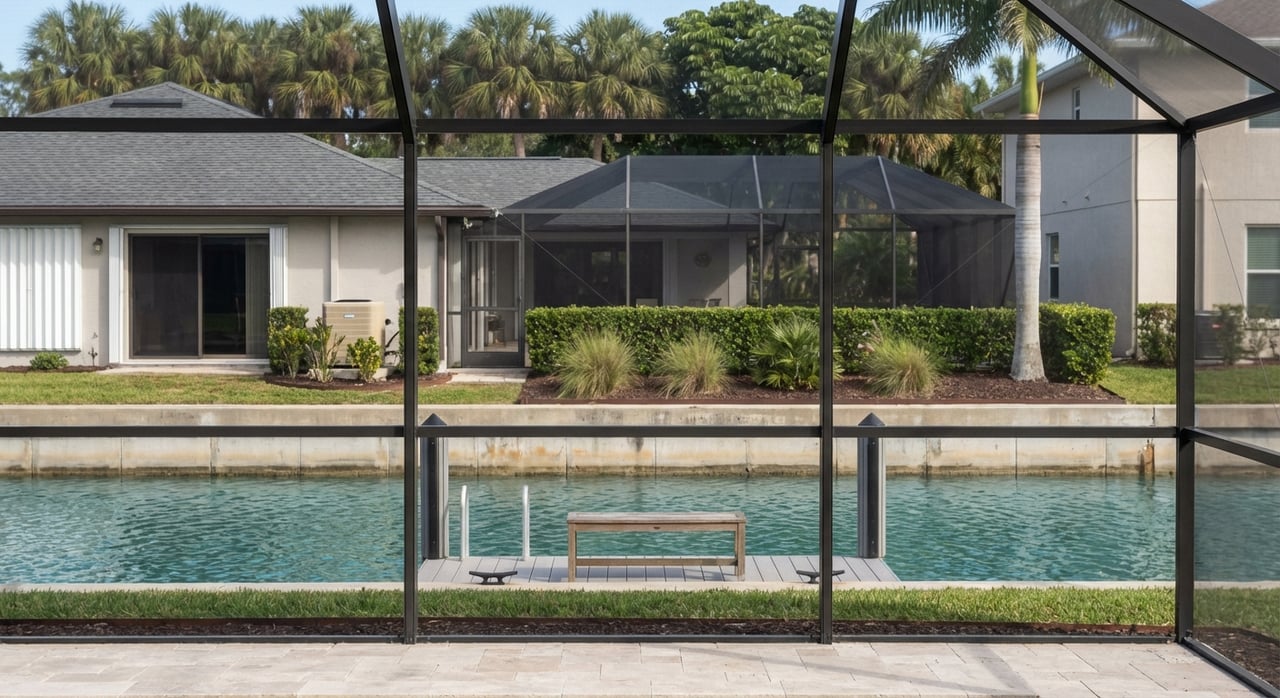
Dreaming of a sunlit escape you can lock and leave, then return to whenever the Gulf calls? If St. Pete Beach is on your shortlist, you’re not alone. You want a place that feels effortless, holds value, and maybe even offsets some costs with occasional rentals. In this guide, you’ll get clear on what to buy, how to finance it, what the rental rules allow, and how to handle flood, wind, and insurance due diligence. Let’s dive in.
Why St. Pete Beach works for a second home
St. Pete Beach offers a mix of relaxed beach-town energy, walkable pockets, and easy access to St. Petersburg’s arts, dining, and ballgames. You’ll see everything from low-rise condos to luxury gulf-front towers and single-family canal homes with docks.
If you love to explore on foot, look at Pass-a-Grille for historic village charm, the Corey Avenue District for markets and dining, and the central Gulf Boulevard corridor for quick beach access around the Don CeSar. Decide early whether you want the gulf side for beach views or the bay/canal side for boating access. Gulf frontage commands premium pricing. Bay and canal properties offer calmer water and dock potential, but every setting has unique wind and flood exposure.
What you can buy and key tradeoffs
Condos: building health drives value
For condos, the building’s condition and finances matter as much as the unit. Florida now requires milestone structural inspections and Structural Integrity Reserve Studies for many buildings three stories or more. These rules can raise monthly dues or trigger special assessments if major work is due. Review the inspection and reserve findings before you fall in love with a view. Learn more about milestone and reserve requirements in Florida law through the state’s section on milestone inspections and SIRS.
Financing can hinge on whether a condo is “warrantable” for conventional loans. Ask your lender to run the building through Fannie Mae’s Condo Project Manager early. If a project is ineligible, loan options shrink and resale demand can narrow.
Documents to request at offer: the current budget and financials, most recent reserve study, 12 months of meeting minutes, master insurance declarations, any litigation summary, a list of delinquencies, and the estoppel letter that shows assessments owed. Florida’s condo statute outlines key association records buyers should evaluate in Section 718.112.
Single-family: elevation, seawall, and wind
For detached coastal homes, insurance and maintenance hinge on elevation, structure type, and shoreline features. If the home sits in a FEMA Special Flood Hazard Area, lenders usually require flood insurance. Confirm the property’s flood zone and Base Flood Elevation using the Pinellas County Flood Map Service Center, and ask whether an Elevation Certificate is on file.
If there is a seawall or bulkhead, get permits and repair history. Roof age, impact windows, and wind-mitigation features directly affect wind premiums. If you plan to add a dock or lift, note existing permits and local rules.
Financing your second home
Second homes are financed differently than investment properties. Conventional lenders often require a higher down payment than a primary residence, commonly around 10 percent for many second-home programs, while investment loans usually need more. Your intended use matters. Occasional personal use with limited renting can still count as a second home. Frequent or full-time renting usually moves you into investment territory. For a quick primer, review this overview of second home mortgage basics.
If you’re eyeing condos, two items derail financing most often: project warrantability and special assessments that strain association finances. Get your lender and insurance broker involved before you make a firm offer.
Short-term rental rules to know
Do not assume you can rent short term. The City of St. Pete Beach restricts rentals of fewer than 30 days in many residential zones, with limited exceptions and caps in certain overlays. Enforcement can include fines. Always confirm zoning with the city and read the association documents. Start with the city’s Short-Term Rental Rules and Regulations.
If you are shopping just outside city limits, Pinellas County has a program for short-term rentals in unincorporated areas that includes safety, occupancy, and parking standards. Review the county’s guidance on short-term rentals in Pinellas, then verify address-specific rules with local staff and your association.
Insurance, flood, and wind basics
Flood coverage is separate from standard homeowners policies. If a property is in a FEMA SFHA and you have a mortgage, flood insurance is required. Use FEMA’s Flood Map Service Center to confirm zones and BFE, then ask whether an Elevation Certificate exists for underwriting and rate accuracy.
Florida homeowners policies usually have hurricane or windstorm deductibles as a percentage of the dwelling limit, often 2, 5, or 10 percent. Insurers must disclose this deductible on your policy. The state statute on hurricane deductibles is summarized in Section 627.701. To lower wind premiums, order a wind mitigation inspection and share the OIR-B1-1802 form with your agent. See the Office of Insurance Regulation’s wind mitigation resources.
Given market volatility, ask a broker early for preliminary quotes for wind and flood. Be ready to provide an elevation certificate, roof age proof, a 4-point inspection for older homes, and the wind mitigation form.
Your step-by-step due diligence checklist
Pre-offer (remote)
- Check flood risk: run the address through FEMA’s Flood Map Service Center and the Pinellas County Flood Map Service Center. Ask if an Elevation Certificate is on file.
- For condos, request the association packet up front: budget and financials, reserve study, 12 months of minutes, insurance declarations, assessments, owner-occupancy data, and any litigation summary. Have your lender check the building in Fannie Mae’s Condo Project Manager.
- Verify short-term rental rules with the city and confirm any HOA limitations using the city’s STR rules.
Under contract
- Engage a Florida real estate attorney or a seasoned title company to handle title, survey, and estoppel requests. For condos, obtain the estoppel letter and confirm approval items.
- Schedule inspections early: general home, roof, electric/plumbing as needed, WDO, wind mitigation, and a 4-point if required by the insurer. For condos three stories or more, obtain the milestone inspection and reserve study, and consider an independent engineering review if findings are complex.
- Coordinate preliminary wind and flood quotes and confirm condo deliverability with your lender through CPM or other project tools.
On-the-ground visit
- Walk the immediate area at different times of day. Note parking, noise, proximity to restaurants and bars, and trash pickup patterns. Visit the HOA office if possible. If boating matters, check dock access and tidal conditions. For beach access, map public entry points and parking supply.
Before closing
- Confirm the association has no undisclosed special assessments. Verify master insurance coverage and that reserve funding aligns with any SIRS recommendations noted in Section 718.112. If structural repairs are required, get timing and funding plans in writing.
After closing
- If you will be away often, consider professional property management for routine maintenance, hurricane prep, and guest screening for permitted rentals. County guidance for unincorporated areas is a helpful baseline at Pinellas short-term rentals. Always confirm your specific city and HOA rules.
Red flags that can stop deals
- A condo building that is ineligible or “unavailable” in Fannie Mae’s Condo Project Manager, which narrows financing.
- A recent milestone inspection that found major repairs without a clear funding plan, which can lead to large assessments. See Florida’s milestone and SIRS requirements.
- A property mapped in a V or VE flood zone or at low elevation without an Elevation Certificate, which raises flood risk and costs. Check the Pinellas County Flood Map Service Center.
- HOA or condo declarations that prohibit short-term rentals even if zoning allows them. Confirm with the city’s STR rules and read governing documents closely.
- Insurance nonrenewal history or difficulty placing wind or flood coverage. Pre-clear insurability and required inspections using the state’s wind mitigation resources.
Next steps
If St. Pete Beach feels like the right fit, the difference between a smooth second-home purchase and a stressful one often comes down to preparation. Building health, insurability, flood exposure, and rental rules are knowable with a clear plan and the right local team. You do not have to figure it all out alone.
When you are ready, connect for curated property options, clear due diligence checklists, and referrals to trusted inspectors, insurance brokers, lenders, and property managers. Let’s make your Gulf Coast retreat simple and rewarding. Lana Moriece is here to help.
FAQs
What should I know about St. Pete Beach short-term rental rules?
- The City of St. Pete Beach restricts rentals of fewer than 30 days in many zones, with limited exceptions; always confirm zoning and HOA rules using the city’s Short-Term Rental Rules and Regulations before you buy.
What are Florida condo milestone inspections and SIRS?
- Many 3-plus-story condos must complete structural milestone inspections and a Structural Integrity Reserve Study that can increase dues or lead to assessments; review findings per Florida’s statute on milestone and SIRS.
How do I check flood risk and elevation in Pinellas County?
- Use FEMA’s Flood Map Service Center and the Pinellas County Flood Map Service Center to confirm the flood zone, Base Flood Elevation, and whether an Elevation Certificate is on file.
What counts as a second home vs an investment for mortgages?
- Lenders treat second homes and investments differently; many second-home loans require higher down payments, and frequent renting can shift a property into investment status; see this overview of second home mortgage basics.
How do hurricane deductibles work in Florida?
- Policies often carry percentage-based hurricane deductibles, commonly 2 to 10 percent of the dwelling limit; details are outlined in Florida Statute 627.701, and wind mitigation credits can lower premiums.
Which condo documents should I review before buying?
- Request the budget, financials, reserve study, 12 months of minutes, master insurance declarations, litigation summary, delinquencies, and the estoppel letter; Florida’s condo statute outlines key association requirements.